
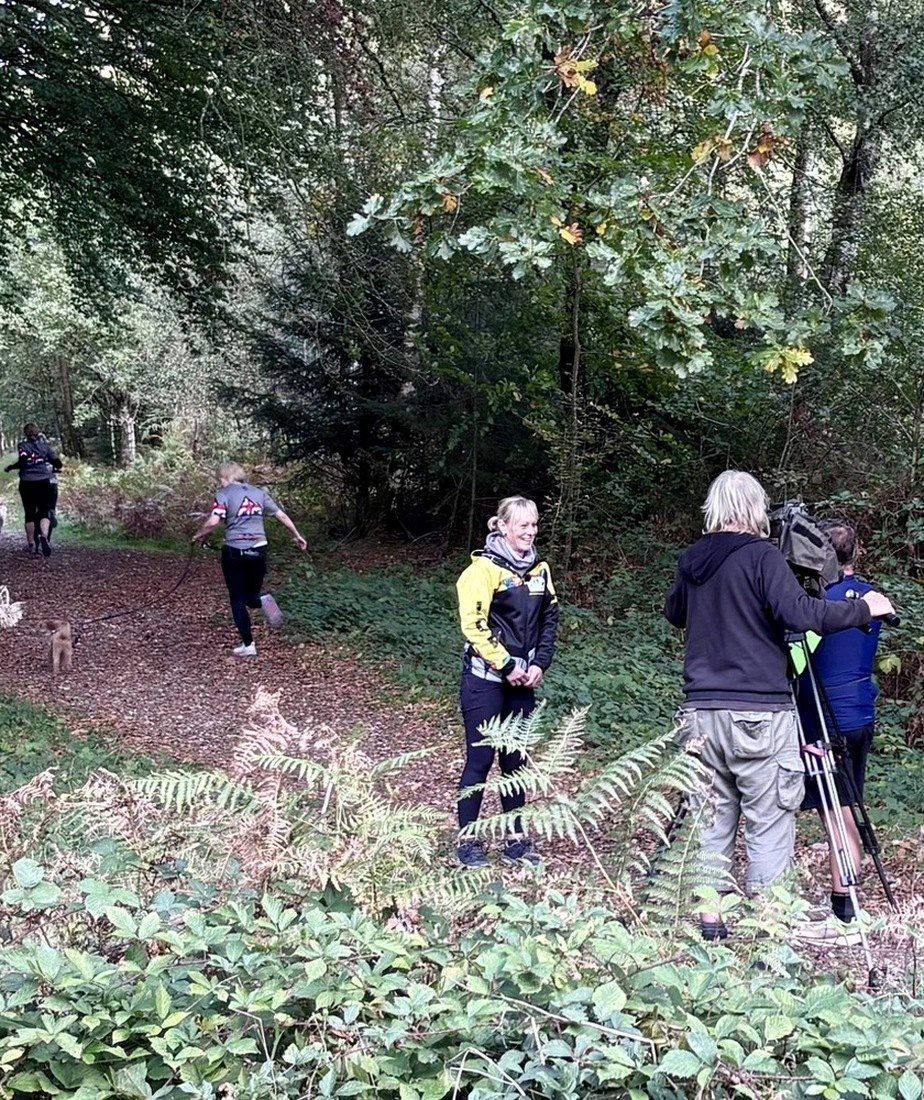
Photograph from the CCUK image library, used to illustrate this topic. It is not confirmed as the original blog cover.
Warm weather changes the risk for dogs undertaking harness-based exercise. The safest decision may be to replace a run with a gentle walk, find a cooler day or skip the session entirely. Consider temperature, humidity, sunshine, trail exposure, your dog's fitness and ability to cool down.
Before you head out
Make water available and plan a route with shade and an easy way to stop or return to your vehicle. Avoid hot surfaces that could damage paws. Start early only if conditions are genuinely appropriate for your own dog, and never rely on a single temperature threshold as proof that exercise is safe.
Know when to stop
Heavy or unusual panting, excessive drooling, weakness, unsteadiness, distress or changes in behaviour can indicate overheating. Stop exercising immediately. If heat-related illness is suspected, begin appropriate cooling and seek urgent veterinary advice; don't wait to see whether your dog recovers without help.
Finish gradually
Allow a gentle transition from activity to rest and offer water. Never leave a dog in a warm vehicle after exercise. Dog welfare must take priority over training targets, race plans and personal goals.